
Ok, first answer this question:
If a product costs $15, but you're able to find the exact same product sold elsewhere for $10, what are you going to buy?
....the one that costs $10, obviously.
Ok, what if you're paying fees or added costs in the $15 that you don't need. Let's say that the product's true price is $10 but the fees cost $5.
....you'd still demand to pay only $10 because you're unwilling to pay for the added fees.
So why are consumers willing to put up with paying for the added costs of marketing?
Think of our $15 product like a cd. How much does the artist actually make on a $15 cd? Probably only 10 cents because the balance is record company profit and expenses for marketing, production, and distribution.
And consumers are getting wise to this.
Now think of it like buying cereal. You'll always purchase Count Chocula. For your entire life you're going to purchase Count Chocula. If you never saw another Count Chocula ad in your life you'd still buy it.
So why are you paying a price for the cereal that includes marketing expenses? It's really unfair when you think about it. You're not receiving any benefit from the advertising for Count Chocula, so why are you paying Post cereal for the expenses it incurs when marketing to others?
Let me repeat this cause it's important- why are you paying Post cereal for the expenses it incurs when marketing to others?
This is the weird scenario that's been floating around my head for a while.
Consumers are going to demand greater measurability of the costs of production for them, not some overhead costs that may/may not include them. With greater sophistication and fragmentation of buyer behaviors, consumers are seeking to maximize the value to them of everything they buy. It's not only smart consumerism, but it's also saavy financial management.
I'll happily pay your price for the product, if I know that I have fairly incured the costs you shouldered to produce the product for me!
This is why no one is buying records anymore. Because they are willing to pay the least amount possible (free) and still receive the product.
But what about marketers?
Their costs are actually increasing because we're on a weird cusp where absolute targetability is not yet a fully internalized expense. The value per customer created from a CRM program has not yet dropped enough to equal the value per customer from running mass advertising.
Targeted customers are valuable, but expensive (per person). Mass customers are of poor value, but talking to them is cheap (per person).
So our action items? Think about this marketing paradox:
1. Consumers are not willing to pay more than they have to, and they're angry at having to pay unnecessary marketing expenses in the products they buy.
2. Marketers are faced with a declining margin for marketing on the products they sell. If consumers were previously willing to pay $5 to shoulder the costs of being sold, now they're willing to pay $0. THEREFORE, how can marketers continue to target the valuable customers? This is expensive. How can they continue to build relationships with customers when their actions are under greater scrutiny, from both their clients and their customers, to reduce costs and be measurable?
Just something to chew on. Comments are appreciated here with any insights.
BTW, Count Chocula is scary delicious.
Monday, November 24, 2008
Intriguing marketing costs paradox


Wednesday, September 24, 2008
Consumerfying 90s music
In a mashup of Juliette Lewis, schizophrenic proportions, here’s how seminal rock albums of the 90s compare to modern consumer culture – keep with me on this!
Blog traffic is way up from that Sarah Palin article I posted from Rolling Stone. My concerns now are how to sustain it and how to keep things interesting!
This is an article I’ve been thinking about writing for a while. The 90s meant a lot to me cause I think that’s when the last good rock music died. Bands like Nirvana, Smashing Pumpkins, Metallica, Foo Fighters, were high on this wave of emotion from 20-something Gen Xers who were the first generation taught that that it was ok to feel apathetic about life. Although I was years younger and only beginning to understand my own teenage angst, the music left an impression.
Here are awesome 1990s rock bands and the consumers they now represent:
Ten (1991) - Pearl Jam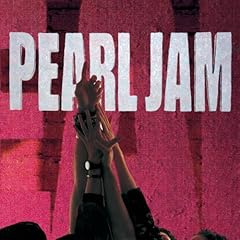
If this album was a consumer: the thrifty Value Village shopper
Why: anti-establishment and messy, slapdash and not neatly folded or colour-coordinated. It’s recycled, thrown together, and somehow still makes a unique outfit.
Best tracks: ‘Black’, ‘Porch’, ‘Release’
Blood Sugar Sex Magik (1991) – Red Hot Chili Peppers
If this album was a consumer: the douchy Holli-Crombie-Fitch collegiate
Why: Big chunky beats and tremendous drug-enhanced guitar work from John Frusciante, this album screams mainstream with an extroverted, sexual edge.
Best tracks: ‘I Could Have Lied’, ‘Under The Bridge’, ‘Give It Away’
To be seen soon at Hollister:
Tragic Kingdom (1995) – No Doubt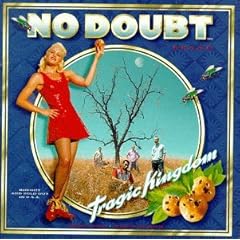
If this album was a consumer: the Tween
Why: this is such an unapologetically saccharine, feel-good album. Loud, fun, funky sound that was new and that one could chew on for the entire summer. It’s a tween because everyone had it, everyone wanted it, and everyone either wanted or wanted to identify with Gwen Stefani.
Best tracks: ‘Don’t Speak’, ‘Sunday Morning’
Ritual de lo Habitual (1990) - Jane’s Addiction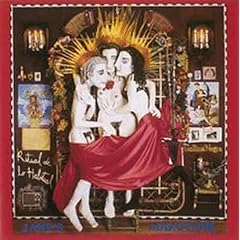
If this album was a consumer: the spiritual skeptic
Why: cause this is a WEIRD album…weird messages and strange that make me feel like I’ve been transported to MDMA-fueled midnight beach rave in Goa. It’s difficult to understand, but really rich with mysticism and imagination.
Best tracks: ‘Three Days’, ‘Stop’
Garbage (1995) - Garbage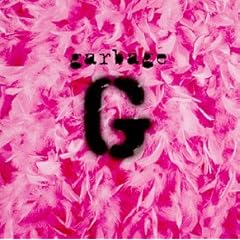
If this album was a consumer: the conforming non-conformist
Why: Butch Vig says that the name ‘garbage’ comes from the band’s approach to making music – taking the sonic remnants and piecing them together again. Garbage and goth will always be intertwined in my mind because of the gorgeous, sad, creepiness of the band and their caricatured adoption into fledgling emo subsculture.
Best tracks: ‘Milk’, ‘Stupid Girl’, ‘Only Happy When It Rains’
Jagged Little Pill (1995) – Alanis Morissette
If this album was a consumer: the mid-life crisis married male
Why: this consumer is awash with disposable income and looking to shock and awe. Sure female aggression was nothing new (Patti Smith, 4 Non Blondes, Courtney Love), but this edgy yet still radio-friendly album made feeling bitter and uncaring kinda cool.
Best tracks: ‘Ironic’, ‘All I Really Want’, ‘You Learn’
Siamese Dream (1993) – The Smashing Pumpkins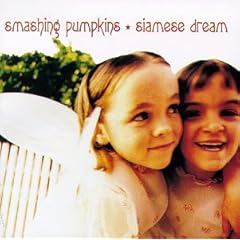
If this album was a consumer: the middle-class working mom
Why: It’s uplifting, peaceful, and incredibly aspirational. Powerful chord structure punctuated by soaring Billy Corgan guitarwork sets a singular positive foundation of the album with compassionate lyrics that suggest a consumer who is conscientious, caring, and affectionate.
Best tracks: ‘Rocket’, Today’, ‘Mayonnaise’, ‘Geek USA’
The Bends (1995) - Radiohead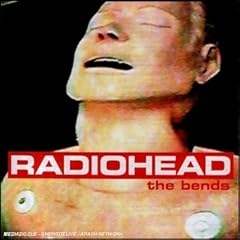
If this album was a consumer: the savvy agoraphobe
Why: it’s not stupid music, it’s just misunderstood. The Bends still captured the experimentalism Radiohead was known for and brought the band’s music to a larger audience. The awkwardness and insecurity of the album’s tone resonates with outcasts who'd rather correct my speling than go play ultimate frisbee.
Best tracks: ‘Just’, ‘Fake Plastic Trees’
Purple (1994) – Stone Temple Pilots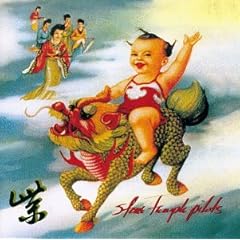
If this album was a consumer: the workaholic microbrew-tippler
Why: 'Purple' is a pounding, ethereal album that set a hazy foundation for dreamers, druggies, and early dotcom-ers. In a bizarre smoothie of the three you get a yuppie urbanite of the three who’s introspective with a love for cultural idiosyncracies and pushing their limits.
Best tracks: ‘Interstate Love Song’, ‘Big Empty’, ‘Lounge Fly’
Dookie (1994) – Green Day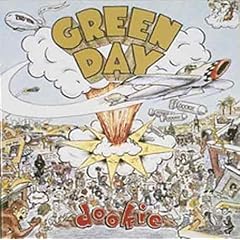
If this album was a consumer: the weekend mallrat
Why: The weekend mallrat loves brands, loves celebrities, loves their friends, and loves killing time. They rarely buy things but when they do they make rewarding purchases based as much on peer pressure as information and specs. Dookie made it ok to feel lazy and fucked up.
Best tracks: ‘When I Come Around’, ‘Longview’
The Battle of Los Angeles (1999) – Rage Against the Machine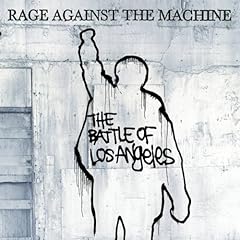
If this album was a consumer: the urban Green
Why: Despite the anti-consumerist, anarchistic tone of the band, fans of the band were hardly as socially conscious as they’d like to believe. Having grown up and started earning incomes, they choose sustainable products but don’t know what it means to offset their carbon when they take business trips to Chicago.
Best tracks: ‘Sleep Now in the Fire’, ‘Testify’, ‘Guerrilla Radio’
Odelay (1996) – Beck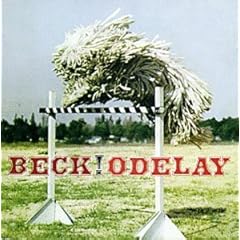
If this album was a consumer: the informed and cultured Wal-Mart shopper
Why: they’re rare but balk the trend by living a suburban life of leisure while still reading the newspaper, participating in online communities, and going to concerts. Odelay’s carefree, scratchy-mixed, major-keyed, melodic tone personified this attitude.
Best tracks: ‘The New Pollution’, ‘High 5’
"Which way to the paper towels?"
The Downward Spiral (1994) – Nine Inch Nails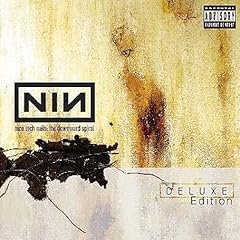
If this album was a consumer: the pseudo-nihilist, suburban emo teen
Why: the album was commercial as much as it was some gothic expression through sonic electronic disfigurement. The album felt bad for itself and felt heavy throughout. It wasn’t black so much as completely lacking in any colour. As a consumer, its emo because despite the pity, sickness, and smut it wanted to be recognized and treated like an outlet for society’s abuse. It’s industrial to its core.
Best tracks: ‘Piggy’, ‘Hurt’, ‘Closer’
Use Your Illusion I & II (1991) – Guns n’ Roses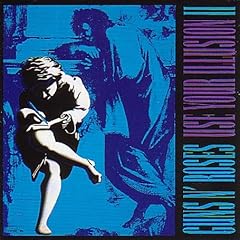
If this album was a consumer: the jingoistic slob
Why: Cause the album is like a sloppy drunk who has soiled themselves. Guns N’ Roses was that uncompromisingly American rock band that elevated the final notes of loud metal rock to elegant heights before finally imploding.
Best tracks: ‘Don’t Cry’, ‘Estranged’, ‘Yesterday’, ‘Knockin on Heaven’s Door’, ‘November Rain’
Totally:
Weezer (1994) – Weezer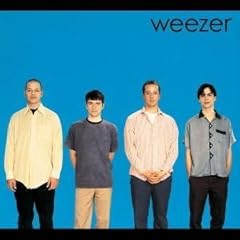
If this album was a consumer: the nullified boyfriend
Why: Weezer rocks, but the album was a follower and although it set a precedent for whiny frat rock, it didn’t challenge musical paradigms or come across as being too offensive. Perfect for that pallid tag-along boyfriend who’d shops where his girlfriend tells him to.
Best tracks: ‘No One Else’, 'Say It Ain’t So’, ‘Undone – the Sweater Song’
Antichrist Superstar (1996) – Marilyn Manson
If this album was a consumer: the moneyed, educated professional woman who people misperceive to be a real bitch
Why: it’s a pretty smart album with an intriguing story arc that allows listeners to draw their own conclusions. On first glance it’s scary and obscene, for the same reasons as Nirvana’s ‘Nevermind’ album, but those who take time to get into it and put aside preconceptions will be rewarded by what they find.
Best tracks: ‘Antichrist Superstar’, ‘The Beautiful People’, ‘Little Horn’
(What’s the story?) Morning Glory (1995) – Oasis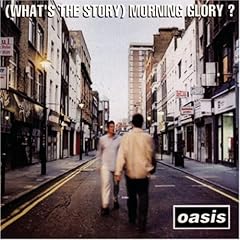
If this album was a consumer: the foreign tourist
Why: it came on the scene kinda unannounced and made a massive impression, paving the way for other sparkly, chewy Brit pop acts. Oasis really didn’t offend anyone but they were really noticeable. Thematically, the album seems like it’s an indulgent shopper on vacation who isn’t worried about the credit card bill when they return from holiday.
Best tracks: ‘Some Might Say’, ‘Don’t Look Back In Anger’, ‘Morning Glory’
"More sunglasses please"
Nevermind (1991) – Nirvana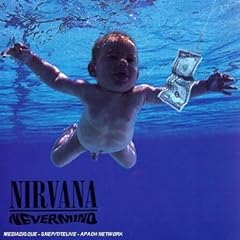
If this album was a consumer: the conspicuous spender
Why: the album failed Nirvana’s grunge roots through its flashy, dirty excessiveness. It’s loud and obscene and over the top. If this was a consumer it would be the guy riding top-down through the financial district in his Lambo. (BTW, don’t get me wrong, I loved this album)
Best tracks: ‘Lithium’, ‘Breed’, ‘Come As You Are’, ‘Smells Like Teen Spirit’
In the world of blogging, content is good, content is God!
Thursday, August 21, 2008
Your face beyond Facebook: Self-Marketing Part II
Now that you are done clearing up Facebook and removing that video of you jumping on top of a cop car from YouTube, we can move on to positive online person building. I've convinced you that you need your website. Here's how it goes.
HMTwhat?
Building a webpage may sound difficult and these examples were not done by amateurs, but this does not mean that your website has to outdo anyone’s in Flash animation banners – unless you are looking to get into web design. People come to learn about you. For those who are coding impaired, there are some services that can help you drag-and-drop your content into place and have comprehensive tutorials. GoDaddy.com is a good example and it also offers affordable hosting. Geocities’ PageBuilder tool is another great one. Don’t be intimidated by the complexity of web design. The old rule stands: Keep it simple, sweetie.
Your website should contain three basic elements:
1. A good photograph of yourself. This may even require a trip to a photo studio. Look friendly and approachable, but let your clean, crisp dress ooze professionalism.
Would you like to have this fella over for dinner? (This is Max Billings, B!G's pres. He's probably very flattered.)
2) Your resume. I cannot emphasize how important it is that all spelling is correct and all your verbs (designed, implemented, assisted, etc.) are all in the same tense. Make sure the spacing on the website is just as you wanted it in IE, Firefox, and Safari. Your drag and drop website should help you with that. If all else fails with the formatting, save it as a PDF file and have your “My Resume” link lead directly to the PDF file. Make sure that there are no red or green underlines, like in Microsoft Word, especially under your name. They will show up in PDF.
3) An introduction. This will serve as your one-size-fits-all cover letter. Briefly describe yourself and have a short paragraph for each of the following: past, present and future. Highlight major professional accomplishments and your future projects.
Link, Link, Link
Linking to other websites, those relevant to your own experiences of course, is very important. It provides more insight for your viewers into what you have accomplished.

It also serves as proof that you really are involved in these activities - some employers tend to wonder sometimes. If your local newspaper mentioned your track and field abilities in an article, link to it. If you volunteered at a charity event, like a race, link to the event. It underscores your accomplishments and dedication to your goals.
It’s all about you
Besides the basics, you may want to discuss things you are really passionate about and the direction where you would like to take them. The Bright Ideas Group’s very own Sid Wahi has a website full of his mini-shrines to his most coveted activities, namely web design and stock portfolio and his high school experiences – you would too if you went to school in the Himalayas. Devang has a display of his travels and scuba diving expeditions. Remember, pictures are worth a thousand words so instead of describing your travels or rock climbing adventures, put up a few photographs, maybe one per blurb.
Write what you know

Be like Roger. Show your thumbs.

Don't feel bad if thing's don't go your way. Learn from your mistakes.
Keep it real
Finally, remember to be honest. If you are considering this, you probably have a few things going on already and are just looking for a way to discuss them. There is no need to exaggerate your past feats or future aspirations. If your future goal is to climb Mount Everest, but you haven’t even been to an indoor rock climbing course, you’ll look like you’re blowing hot air.

The viewer should leave thinking that they have learned something about you and with a burning desire to find out more.
Wednesday, August 20, 2008
Your face beyond Facebook: Self-Marketing Part I
In the sales field of any industry, be it real estate, cars, retail or wholesale, the sales person must sell themselves in addition to the product. Their manner, their appearance, their skills, and how interesting and engaging they are in conversation all count a great deal. This is why golf courses exist: first hand interaction and getting to know your employees and partners better. You probably won’t get an invitation to go play golf after a brief networking/information session or an introduction through an acquaintance. That doesn’t mean that potential contacts can’t get to know you.  Some may reach far to find out more about you. Reach back!
Since they will be checking their e-mail anyways, they may as well Google your name. What comes up is up to you and you have a significant amount of influence. The internet is a very powerful tool for positive self-promotion. Here are a few tips to get you started.
Join organizations
Alright, you want positive associations to your name online. This means you have to be proactive. Join organizations that you are really passionate about. Remember, quality over quantity. I’m very much into the Bright Ideas Group but not much else.
Incidentally, if you search my name on Google, I come up as an artist on ArtNet (which I’m not – the other Ms. Ivleva does some great paintings and I don’t mind) and me in all the other sites on the first page.

This is one of her paintings. Olga's watercolours are lovely.
Contributing to an online publication is another great way to increase your web presence. Schulich’s Insider Media Group publishes articles online as well as in print. All the writers’ names are searchable along with their articles. Remember not to just join any organization: really spend time choosing one or two you can make a certain contribution to and focus strongly on those.
These organizations are likely to already have their own websites and when you start your own – and you are going to have to start your own – you can link to those websites to build an even stronger network.
Need to know basis

This photo, albeit illustrating some sort of athletic ability, does not scream "hire me!"
Some people, even recruiters, may think this all makes you a pretty fun person. Not so much in terms of an employee, especially if the company’s clients can also access this material. At a recent seminar of the Undergraduate Consulting Club, an MBA intern at the Boston Consulting Group emphasized that the interview never really ends and job hopefuls are even (candidly) evaluated for their manners and ability to hold conversation at dinner. This is certainly also true for your online persona.
Here are some steps to minimize your risk from Facebook exposure:You may not need to delete your Facebook account. After all, what you do in your spare time is your business. I strongly recommend making your account visible to only your friends, including your display picture.

A fun night, yes. A good display picture when looking for work, not exactly.
YourName.com
I met Devang Asher, a self-promotions extraordinaire, in Hindi class last year. He says he started his website because it is incredibly important to buy your domain name as everyone will be a brand in the near future. With the wide-spread ability to reach millions of people at a click of a button, you can easily capitalize on your own brand name. If you want to reach more people with fewer slashes on your business card, your own domain name is the best way to go. OlgaIvleva.com is significantly easier than http://www.students.yorku.ca/~oivleva/.
I’m going to provide more tips on what to include on your website in tomorrow’s post. I figured I’d give you some time to take those photos off Facebook first.
