
At the request of Dave P, I’m trying to include internal links and use more pictures when I post. Rather than make a quip about how he needs pictures to learn or how the sheer text in this blog is actually good for our search engine results, I decided to go with it. Whatever, I like pictures too and as we remember, there was a blog post I wrote a while back that was entirely made of pictures.
I’d like to explore the real meaning of customer value. Yesterday I had a heated argument with a group about the valuation of intangible qualities like spinoff learnings, thinking efficiencies, or creativity. I really maintain that these can’t be quantified. They have value, perhaps it’s shown in the higher price that can be charged for services where intangible value is present, but it cannot necessarily be measured.
For example, how do you measure the value of 'Wal-Mart Chicken', shown above. Seriously this is Dali-inspired!
How do you measure the relevance of a campaign or a message that really inspires the audience? How do you measure the value of consumer engagement, when that engagement is among consumers themselves, and not between consumers and the brand? A good analogy here might be Apple – how can one possibly accurately value the positive discussions and culture that consumers create on their own surrounding the Apple brand?
In my tense group meeting, I made the mistake of rhetorically asking, “how do you bottle starlight?” – I realize how dumb that now sounds, but that’s the intangibility of value that I’m trying to get at.
Your customers are the people who buy your products, but they’re not necessarily the ones to consume the product, speak about it, or brand it themselves. This expanded description includes ‘engagers’ – the people who form engagements with the brand but are not necessarily the buyers.
Let's take rabbits as an example:
You have your average, normal rabbits.
Then you have your exceptional rabbits who operate outside of conventional reality.
If the large rabbits don't buy anything, but they draw attention to the species and generally act as a focal point for marketers, then don't they have some form of intangible value? 
So who's driving the people who drive sales? Who is catalyzing forms of interest in a brand that the brand itself could never achieve? It's consumers that are producing real value these days, not marketers, it's just tricky to determine who exactly creates the most value - that is if you can't wrap your mindgrapes around the idea that not all value can be measured.
Tuesday, January 13, 2009
What customers are really valuable?


Wednesday, September 24, 2008
Consumerfying 90s music
In a mashup of Juliette Lewis, schizophrenic proportions, here’s how seminal rock albums of the 90s compare to modern consumer culture – keep with me on this!
Blog traffic is way up from that Sarah Palin article I posted from Rolling Stone. My concerns now are how to sustain it and how to keep things interesting!
This is an article I’ve been thinking about writing for a while. The 90s meant a lot to me cause I think that’s when the last good rock music died. Bands like Nirvana, Smashing Pumpkins, Metallica, Foo Fighters, were high on this wave of emotion from 20-something Gen Xers who were the first generation taught that that it was ok to feel apathetic about life. Although I was years younger and only beginning to understand my own teenage angst, the music left an impression.
Here are awesome 1990s rock bands and the consumers they now represent:
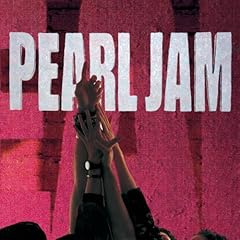
Ten (1991) - Pearl Jam
If this album was a consumer: the thrifty Value Village shopper
Why: anti-establishment and messy, slapdash and not neatly folded or colour-coordinated. It’s recycled, thrown together, and somehow still makes a unique outfit.
Best tracks: ‘Black’, ‘Porch’, ‘Release’
Blood Sugar Sex Magik (1991) – Red Hot Chili Peppers
If this album was a consumer: the douchy Holli-Crombie-Fitch collegiate
Why: Big chunky beats and tremendous drug-enhanced guitar work from John Frusciante, this album screams mainstream with an extroverted, sexual edge.
Best tracks: ‘I Could Have Lied’, ‘Under The Bridge’, ‘Give It Away’
To be seen soon at Hollister:
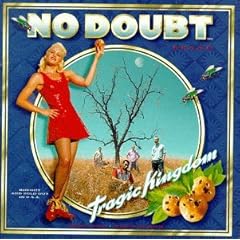
Tragic Kingdom (1995) – No Doubt
If this album was a consumer: the Tween
Why: this is such an unapologetically saccharine, feel-good album. Loud, fun, funky sound that was new and that one could chew on for the entire summer. It’s a tween because everyone had it, everyone wanted it, and everyone either wanted or wanted to identify with Gwen Stefani.
Best tracks: ‘Don’t Speak’, ‘Sunday Morning’
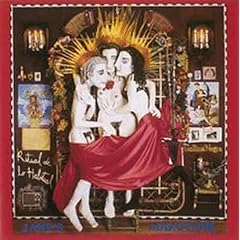
Ritual de lo Habitual (1990) - Jane’s Addiction
If this album was a consumer: the spiritual skeptic
Why: cause this is a WEIRD album…weird messages and strange that make me feel like I’ve been transported to MDMA-fueled midnight beach rave in Goa. It’s difficult to understand, but really rich with mysticism and imagination.
Best tracks: ‘Three Days’, ‘Stop’
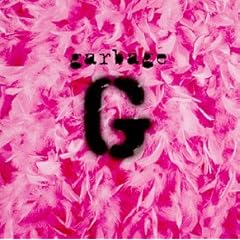
Garbage (1995) - Garbage
If this album was a consumer: the conforming non-conformist
Why: Butch Vig says that the name ‘garbage’ comes from the band’s approach to making music – taking the sonic remnants and piecing them together again. Garbage and goth will always be intertwined in my mind because of the gorgeous, sad, creepiness of the band and their caricatured adoption into fledgling emo subsculture.
Best tracks: ‘Milk’, ‘Stupid Girl’, ‘Only Happy When It Rains’
Jagged Little Pill (1995) – Alanis Morissette
If this album was a consumer: the mid-life crisis married male
Why: this consumer is awash with disposable income and looking to shock and awe. Sure female aggression was nothing new (Patti Smith, 4 Non Blondes, Courtney Love), but this edgy yet still radio-friendly album made feeling bitter and uncaring kinda cool.
Best tracks: ‘Ironic’, ‘All I Really Want’, ‘You Learn’
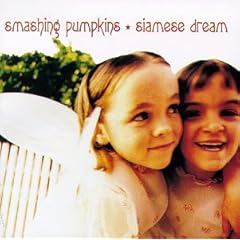
Siamese Dream (1993) – The Smashing Pumpkins
If this album was a consumer: the middle-class working mom
Why: It’s uplifting, peaceful, and incredibly aspirational. Powerful chord structure punctuated by soaring Billy Corgan guitarwork sets a singular positive foundation of the album with compassionate lyrics that suggest a consumer who is conscientious, caring, and affectionate.
Best tracks: ‘Rocket’, Today’, ‘Mayonnaise’, ‘Geek USA’
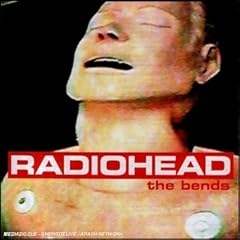
The Bends (1995) - Radiohead
If this album was a consumer: the savvy agoraphobe
Why: it’s not stupid music, it’s just misunderstood. The Bends still captured the experimentalism Radiohead was known for and brought the band’s music to a larger audience. The awkwardness and insecurity of the album’s tone resonates with outcasts who'd rather correct my speling than go play ultimate frisbee.
Best tracks: ‘Just’, ‘Fake Plastic Trees’
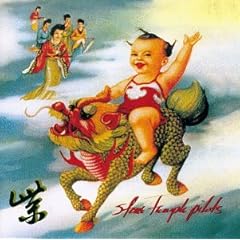
Purple (1994) – Stone Temple Pilots
If this album was a consumer: the workaholic microbrew-tippler
Why: 'Purple' is a pounding, ethereal album that set a hazy foundation for dreamers, druggies, and early dotcom-ers. In a bizarre smoothie of the three you get a yuppie urbanite of the three who’s introspective with a love for cultural idiosyncracies and pushing their limits.
Best tracks: ‘Interstate Love Song’, ‘Big Empty’, ‘Lounge Fly’
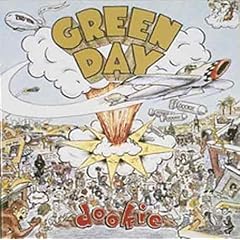
Dookie (1994) – Green Day
If this album was a consumer: the weekend mallrat
Why: The weekend mallrat loves brands, loves celebrities, loves their friends, and loves killing time. They rarely buy things but when they do they make rewarding purchases based as much on peer pressure as information and specs. Dookie made it ok to feel lazy and fucked up.
Best tracks: ‘When I Come Around’, ‘Longview’
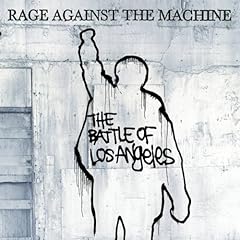
The Battle of Los Angeles (1999) – Rage Against the Machine
If this album was a consumer: the urban Green
Why: Despite the anti-consumerist, anarchistic tone of the band, fans of the band were hardly as socially conscious as they’d like to believe. Having grown up and started earning incomes, they choose sustainable products but don’t know what it means to offset their carbon when they take business trips to Chicago.
Best tracks: ‘Sleep Now in the Fire’, ‘Testify’, ‘Guerrilla Radio’
Odelay (1996) – Beck
If this album was a consumer: the informed and cultured Wal-Mart shopper
Why: they’re rare but balk the trend by living a suburban life of leisure while still reading the newspaper, participating in online communities, and going to concerts. Odelay’s carefree, scratchy-mixed, major-keyed, melodic tone personified this attitude.
Best tracks: ‘The New Pollution’, ‘High 5’
"Which way to the paper towels?"
The Downward Spiral (1994) – Nine Inch Nails
If this album was a consumer: the pseudo-nihilist, suburban emo teen
Why: the album was commercial as much as it was some gothic expression through sonic electronic disfigurement. The album felt bad for itself and felt heavy throughout. It wasn’t black so much as completely lacking in any colour. As a consumer, its emo because despite the pity, sickness, and smut it wanted to be recognized and treated like an outlet for society’s abuse. It’s industrial to its core.
Best tracks: ‘Piggy’, ‘Hurt’, ‘Closer’
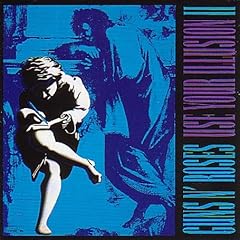
Use Your Illusion I & II (1991) – Guns n’ Roses
If this album was a consumer: the jingoistic slob
Why: Cause the album is like a sloppy drunk who has soiled themselves. Guns N’ Roses was that uncompromisingly American rock band that elevated the final notes of loud metal rock to elegant heights before finally imploding.
Best tracks: ‘Don’t Cry’, ‘Estranged’, ‘Yesterday’, ‘Knockin on Heaven’s Door’, ‘November Rain’
Totally:
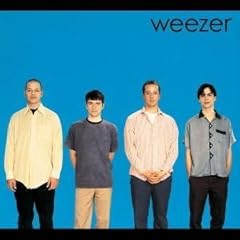
Weezer (1994) – Weezer
If this album was a consumer: the nullified boyfriend
Why: Weezer rocks, but the album was a follower and although it set a precedent for whiny frat rock, it didn’t challenge musical paradigms or come across as being too offensive. Perfect for that pallid tag-along boyfriend who’d shops where his girlfriend tells him to.
Best tracks: ‘No One Else’, 'Say It Ain’t So’, ‘Undone – the Sweater Song’
Antichrist Superstar (1996) – Marilyn Manson
If this album was a consumer: the moneyed, educated professional woman who people misperceive to be a real bitch
Why: it’s a pretty smart album with an intriguing story arc that allows listeners to draw their own conclusions. On first glance it’s scary and obscene, for the same reasons as Nirvana’s ‘Nevermind’ album, but those who take time to get into it and put aside preconceptions will be rewarded by what they find.
Best tracks: ‘Antichrist Superstar’, ‘The Beautiful People’, ‘Little Horn’
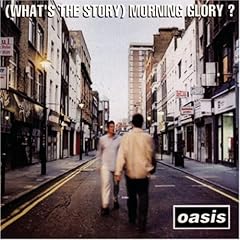
(What’s the story?) Morning Glory (1995) – Oasis
If this album was a consumer: the foreign tourist
Why: it came on the scene kinda unannounced and made a massive impression, paving the way for other sparkly, chewy Brit pop acts. Oasis really didn’t offend anyone but they were really noticeable. Thematically, the album seems like it’s an indulgent shopper on vacation who isn’t worried about the credit card bill when they return from holiday.
Best tracks: ‘Some Might Say’, ‘Don’t Look Back In Anger’, ‘Morning Glory’
"More sunglasses please"
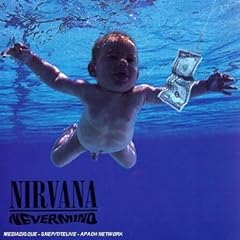
Nevermind (1991) – Nirvana
If this album was a consumer: the conspicuous spender
Why: the album failed Nirvana’s grunge roots through its flashy, dirty excessiveness. It’s loud and obscene and over the top. If this was a consumer it would be the guy riding top-down through the financial district in his Lambo. (BTW, don’t get me wrong, I loved this album)
Best tracks: ‘Lithium’, ‘Breed’, ‘Come As You Are’, ‘Smells Like Teen Spirit’
In the world of blogging, content is good, content is God!









Wednesday, September 17, 2008
Trim your fiffi! Quirky online creativity
This is a wonderful creative online campaign from Sweden. Some campaigns are pretty hilarious and you just kinda have to step back and think how ridiculous they are. Is the message really that offensive? It's not sexist or misogynist, just silly and absurd!
Here is what Creativity says about this online campaign:
Aimed at women post-puberty and beyond, the site invites visitors to virtually style and customize what the Scandinavians call your "fiffi" with scissors, a razor or an array of RFSU products. The fictional character Miss Fiffi, who's an 80-year-old midwife, will then judge your shaving skills on a scale of 1 to 10 and your completed fiffi can subsequently be downloaded and embedded in your Facebook page.
Complemented by banner ads and an outdoor campaign, the somewhat controversial site also hosts a contest where the best fiffi wins a full shaving kit courtesy of RFSU. If one requires a more personal touch, they can contact a real-life midwife from the RFSU clinic for grooming tips via MSN Messenger.
HAHAHAHA!
How postmodern!
What makes this a clever campaign, IMO?
- It's lighthearted and the right tone for the client, which apparently is a non-profit Swedish sex education organization.
- Almost like the Rocky Horror Picture Show, it's interactive and encourages audience participation!
- All those online platforms are being built into the architecture for the campaign. This permits various forms of engagement and response.
- In an indirect way, I believe that this sort of message encourages greater ownership of one's body and promotes self-empowerment, especially for women. Sure, it's a quirky way to achieve that objective, but we're all adults, right?
Tuesday, September 2, 2008
Cool interactive billboards and 90210
Interactive media is where it’s at these days in terms of delivering excitement and experience to consumers. Often though, the message is gets lost in the punchiness of the medium. The channel distributor has done a great job selling ad space and gross consumer impressions to unsuspecting, wide-eyed brand managers that the issue of whether or not the marketing is effective or not is never raised.
Such might have been the case for an interactive billboard I experienced a few weekends ago at the Harbourfront Hot and Spicy Food Festival. Watch the video, it’s a 6 x 8 foot led screen which is touch-sensitive. As people step and tap on it, colourful led balls go flying around the screen. It’s wild. My friend Olga took the video as we played around.
…but what was it advertising again? What brand was there?
I’m not saying that this was an ineffective vehicle – far from it. We stood there giggling and jumping around on this led mat for probably ten minutes. People around us joined in. So the audience is tuned in and captive, they’re rapt by what they’re seeing and the fact that they have control over the ad itself is a big plus. As mentioned before in this blog, participation is a critical factor in modern marketing, especially in an ad targeted to Gen Ys. It afford a modicum of individualization and personal spin on the marketing, making the consumer feel like they have accountability over the marketing. This, in turn, makes the consumer feel that the ad has greater relevance to them (because they created it or had a part in it).
Adverblog talks about some of the better interactive online marketing campaigns. It’s interesting in all of these to see how prominently the brand and product are featured. It’s never unclear what is being explained.
So as for that wild led screen, perhaps its use is better for promotional settings where you can physically interact with the brand. Imagine Nike setting up two of these in stores and allowing consumers to try out the shoes as if they were a soccer goalie or seeing how high they can jump in the shoes. Imagine these displays in high-traffic locations like the PATH system and each step displays the kinetic energy created – a potential ad for Bullfrog or Bruce Power looking to promote their clean energy options to consumers.
Anyway, some food for thought. The new series of 90210 just started, featuring AnnaLynne McCord:
…and yes, bad television counts as legitimate research into consumer culture.

Friday, August 29, 2008
Marketing to youth: Part 5: UNIQUENESS
It goes without saying that effective marketing to youth is both unique and impactful. In fact, youth are perhaps the audience who demands uniqueness the most in their advertising because of the competing sources for their attention, their dynamic multiuse of media, and their relative low tolerance for pithy, info-focused messages. Hit them hard and hit them fast. As my co-blogger and fellow B!G Executive, Olga, wrote in her previous post, if you can also make them laugh, then awesome!
As I’ve introduced in previous posts in this series on marketing to youth, uniqueness is rooted in Gen Y’s strong sense of individuality. Bland or generic brands simply have no place in the spectrum of bold designs and transparent, authentic company values. This was the problem, among others, faced by The Gap at the end of the 90s when customers began to fall out of favour with the unoffensive blue and white style that the store was so well known for. Gap became dull and quickly lost touch with changing consumer trends. There was nothing to make its brand voice unique and identifiable among the din raised by all other casual apparel retailers.
In comparison to the other youth marketing best practices which we’ve analyzed here – transparency, participation, and relevance – uniqueness stands out as being perhaps the most uncontrollable and challenging to master. How do you inform a brand manager how to come up with a witty zinger subject line in the email? How do you suggest a standout call to action in an experiential marketing campaign when it has never been attempted by the brand before and there’s no basis for determining whether it will prove to be a success.
Uniqueness is a gamble.
It’s a risk that brands must take to show that they can be unconventional and hip, while also retaining the legacy aspects of the brands values that appeal to the demographic. Condom manufacturers (from Europe) have always seemed to excel at this:
A real standout though - and I seriously wish I could find an embeddable clip to show - is FearU.ca, a microsite created specifically for a HP laptop contest. MacLaren Momentum, a Canadian promo agency created it and integrated the online campaign with some pretty scary tv spots that are currently running on Much and MTV Canada. Great ads that immediately capture one’s attention and pique interest. Why? Because they’re unique and unlike other sales ads for electronics and back to school shopping.
Although not specifically targeted to youth, another famous commercial from HP stands out and perfectly conveys the simplicity of the ‘click and print’ message:
Also clever is this from Guinness, too bad it didn’t show here:
But uniqueness from the Gen Y perspective implies originality as much as any twist, pun, and memorable tagline. Sure, your spot is quirky or obscene…but has it been done before and been overplayed too much? Marketers’ zeal to have a commercial or campaign out the door with a zippy message can sometimes do more harm than good if that message has been diluted and worn out in the consumer’s mind. Enough already with the Telus animals and the Rogers Wireless teenagers on summer vacation. Go home, Abercrombie, with your intimidating abdominals and idealized WASPy lifestyle. No one lives like that!
…I wish my high school experience was like that…so full of beauty and boredom. Suddenly I feel like I’m not wearing enough pointless dogtag chains. And stop trying to pay homage to the semi-nude B&W style of photography of Herb Ritts:
Being derivative and unoriginal can only get a brand so far with a young audience. Gen Ys crave creativity and novelty. New content, media, or ideas all resonate with the ring of a tuning fork to young consumers’ ears. Repetitive messages and different plays of the same game really are unsustainable brand strategies that do nothing to push the brand forward in new directions and build itself a new avid base of customers.
Being unique is a great quality. You stand apart and can assuredly state that your values and message is your own. For marketers that’s a golden ideal in brand building and it’s a moral that youth consumers live by.
So there it is, the best practices for youth marketing. It has to be transparent, participative, relevant, and unique. Hit all these, with a little bit of luck, and some magic pixie dust, and you'll have an effective campaign that stands out and still builds the brand.


Saturday, July 19, 2008
Creative spaces for creative faces
 Marketing culture is unique in many respects. In the workplace, there’s a high need for interactivity and stimulation to catalyze innovation. Additionally, the multi-team collaboration required on client projects means that openness and team participation must be cultivated. Style wise, this translates to open-form offices, lots of public spaces or ‘idea rooms’, and a design aesthetic that often runs the gamut between edgy and exposed or frosted and futuristic. In Toronto, the head offices of Cossette or Capital C might be good examples of the former while Wunderman is a good example of the latter.
Of course, it would be nice to have a space like this for B!G and not have to work out of the dark basement of the Schulich building, but as we’re a non-profit, I’m happy for whatever we can get! I am saying all this because today I stumbled across a really amazing workspace downtown, called 401 Richmond. This is a converted 1899 factory that has been restored and now houses about sixty arts and media related tenants, including ad shops. Creaky wood floors, 15 foot ceilings, and big open windows invite casual passers-by and tourists into the 401 to walk through the floors and see the boutiques and bookstores. On top of the building is a beautiful flower-filled roof garden with terrific views over the neighbourhood and downtown core. But really, it’s a space for artists with working studios and galleries side by side.
Thrown into the mix are a few small boutique media and marketing shops (Boxx3G, Agito Internet Marketing , and Meta Strategies. I can appreciate why these companies would want to set up business next to artists and creatives. Not only is the building beautiful and occupies a fantastic site in downtown Toronto, but it’s also the model of the agency interior design taken to a larger, macro level. Idea diffusion and new visioning among creative heads is far quicker and clearer when you’re working next to each other. Think of this like a perpetual motion machine that moves faster and faster, it’s the same reason why research universities and technology firms always seem to be grouped together (e.g. Stanford, MIT, UNC Chapel Hill). Innovation spreads faster when the relationships among individuals and firms are mercurial and proximate.
You cannot be creative if you’re in an artistic and cultural vacuum. Agencies should learn from examples like 401 Richmond and internalize this to mean not just sleek, sexy desks with exposed brick walls, but also collocation with artistic people who will inspire and tickle the imaginations of their creative employees.
Thursday, July 3, 2008
Drugs + pain = amazing creativity?
To set the tone, listen to Jimi Hendrix ‘Little Wing’, a top five favourite song of mine. Hear how the guitar notes drip in the solo at the end.
I just finished reading ‘The Heroin Diaries’, an autobiography by Nikki Sixx that chronicles a year he spent addicted to drugs while touring as bassist with Motley Crue. Great read, and very introspective into the personal trauma and crisis that was unfolding inside this guy’s head. He’d get wasted on coke and alcohol and end up turning to junk to restore some normalcy in his life. Tommy Lee and Slash didn’t seem to be much help.
I really like drug reads. It’s voyeuristic to me, being able to safely experience an obscene lifestyle without actually experiencing the consequences of that lifestyle. But it got me thinking about how all the great artists, musicians, and writers I know had some crippling addiction and private pain, causing them to turn to drugs:
Art:
- Jackson Pollack. Alcohol.
- Van Gogh. Alcohol (specifically absinthe which, it has been suggested, altered his vision to produce the distinctive yellow tint in his later work)
- Jean-Michel Basquiat. Heroin.


Music:
- Jimi Hendrix. Heroin.
- Aerosmith. Everything.
- Miley Cyrus. Methylenedioxymethamphetamine.
- 90s grunge. Notably, Nirvana and Smashing Pumpkins. Heroin and pills.
- Janis Joplin. Everything. (This video isn’t her, but Janis Joplin’s ‘Piece of my Heart’ is a beautiful song and this was a fantastic performance, especially considering that Melissa Etheridge had just beat cancer and gets a full standing ovation at the end. Watch it.)
Literature:
- Kerouac. Alcohol.
- Hemmingway. Alcohol.
- Ginsberg. LSD, cannabis.
- excerpt from Allen Ginsberg's "HOWL"
For some artists, drugs + pain = amazing creativity. It’s hard for me to speculate why exactly this equation makes sense for talented artists and fails miserably for the writhing masses who are just addicts without any artistic outlet. Maybe it’s the need and intense cravings drug addiction produces. Maybe it’s the heightened and inverted emotions that can give perspectives on life that normal society rarely considers. Maybe it’s the intense love for their art that powers them to use drugs in the first place. I’m not really sure.
